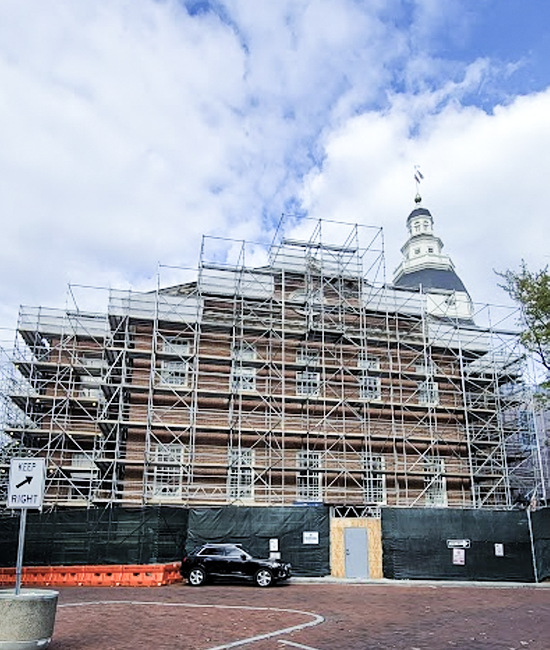
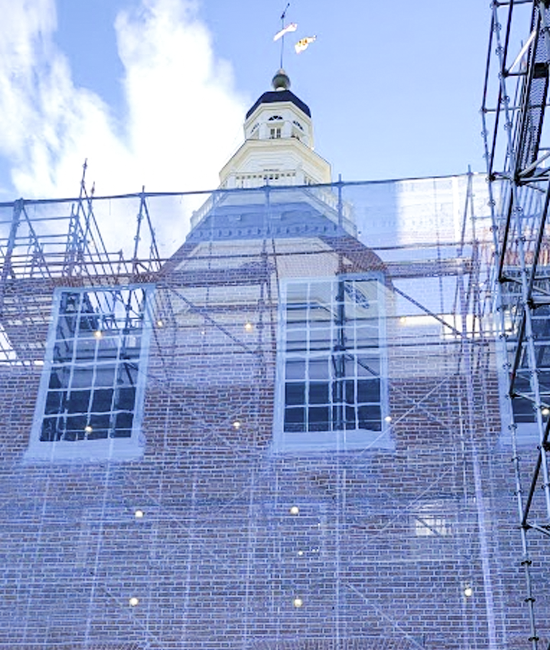
Project Overview
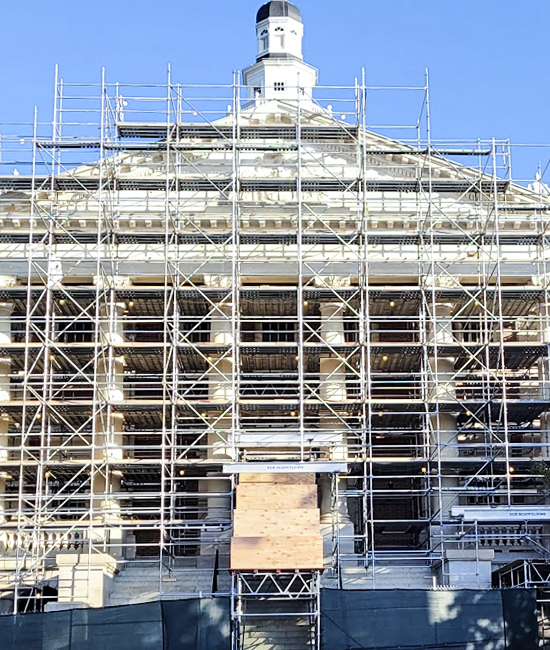
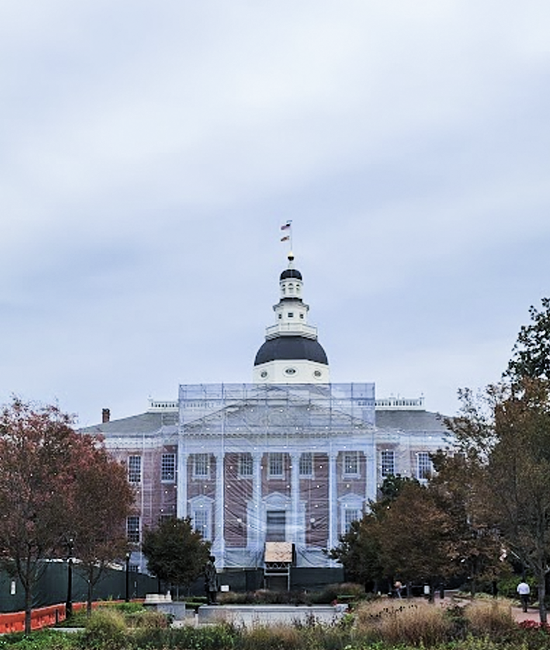
The Maryland State House holds significant historical and governmental importance. As the oldest state capitol in continuous legislative use, it has the unique distinction of being the only state house to have served as the nation’s capital. During its history, the State House was the meeting place for the Continental Congress, including the momentous resignation of George Washington as commander-in-chief and the ratification of the Treaty of Paris, marking the end of the Revolutionary War.
Today, the Maryland State House remains a vital center of local government. It serves as the gathering place for the Maryland General Assembly, where legislators convene for three months each year to discuss and pass laws. Furthermore, the State House is also home to the elected leadership of the state, including the governor, lieutenant governor, speaker of the House of Delegates, and president of the Senate, who have their offices within its walls. With its rich history and ongoing role in governance, the Maryland State House holds a special position as an iconic symbol of Maryland’s past and present.